News
Scitech at the Creating a Scientific Superpower Conference 2025: Building the Future of UK Innovation
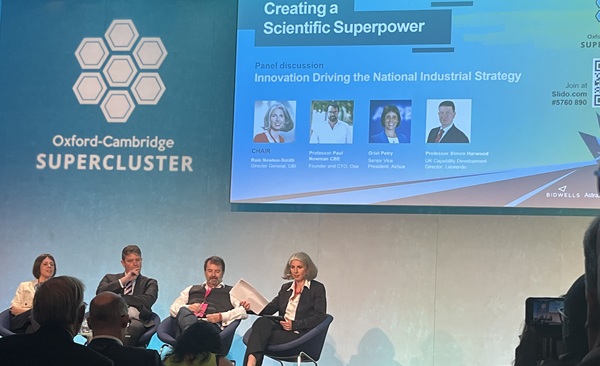
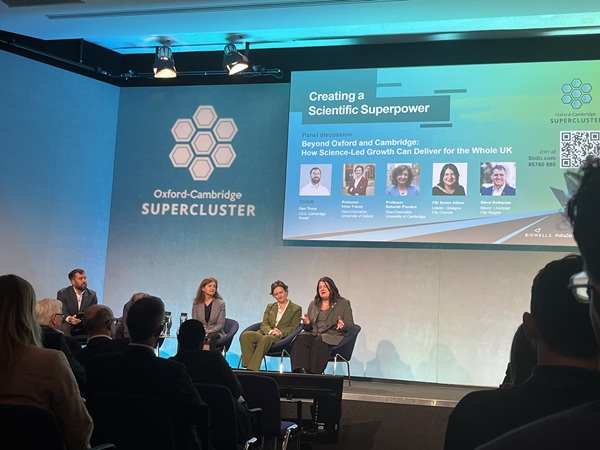
On June 5th, 2025, Scitech attended the Creating a Scientific Superpower Conference 2025 at the QEII Centre in London — a pivotal gathering of leaders from across the UK’s science, innovation, and policy landscape. With a packed agenda and a strong sense of urgency, this year’s event focused on how the UK can truly realise its ambition to become a global scientific superpower.
A Vision for the OxCam Corridor
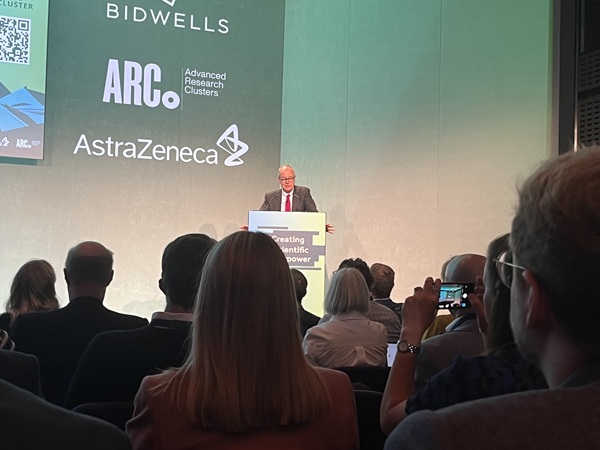
The keynote address was delivered by Lord Patrick Vallance, who offered a compelling vision for the Oxford-Cambridge Growth Corridor. He described it as a once-in-a-generation opportunity for the UK — the envy of many other countries — and stressed that failing to capitalise on it would be a missed national opportunity.
Lord Vallance highlighted the need for a 10-year industrial strategy, underpinned by both government and private investment, to unlock the corridor’s full potential. While the government has signalled strong support for innovation and R&D, he emphasised that this must be matched by action: removing barriers, enabling scale-up, and investing in the infrastructure that supports scientific growth.
From Series A to Series B: The Scale-Up Challenge
A recurring theme throughout the day was the difficulty early-stage companies face in scaling up. While the UK is rich in Series A innovation, many companies are forced to relocate abroad — particularly to the US — to access funding and facilities for Series B growth. This results in a loss of talent, IP, and economic value.
Although lab space in the OxCam corridor has improved, local infrastructure remains a major constraint. Speakers pointed to challenges such as:
- Inadequate transport links
- High housing costs and limited availability
- Strained public services (e.g. schools, healthcare)
- Environmental concerns, including water scarcity
Lord Vallance acknowledged these issues and stressed the importance of cross-departmental collaboration to unblock local development and ensure the corridor works for both science and society.
Unlocking Capital and Changing Culture
Another key discussion centred on the decline in venture capital investment — down 80% in the OxCam region over the past year. While the Mansion House Agreements aimed to unlock pension fund investment into innovation, only 1% has materialised, with most going into infrastructure and property rather than R&D.
Speakers called for:
- Clearer communication between innovators and institutional investors
- Cultural change to embrace risk and failure
- Stronger incentives to keep innovation and IPOs in the UK
Comparisons were drawn with countries like Canada, where pension funds invest more heavily in innovation and see strong returns.
AI: From Hesitation to Embrace
Artificial Intelligence was another hot topic. While the US is rapidly adopting AI as a foundational tool, the UK still harbours some cultural resistance — with concerns that using AI is “cheating.” Speakers urged a shift in mindset: AI should be embraced as the new baseline, with humans adding the final polish.
However, the UK also needs to:
- Build trust in AI through regulation, especially in safety-critical sectors
- Invest in AI talent and skills development
- Create an environment where AI can thrive responsibly
A National, Not Just Regional, Mission
While the OxCam corridor was a focal point, there was strong consensus that science-led growth must benefit the whole UK. Collaboration between regions — including Manchester, Liverpool, and beyond — is essential to build a diverse, resilient innovation ecosystem.
Speakers also stressed the importance of community engagement. R&D hubs must be good neighbours, ensuring that local people benefit from development and are brought along on the journey.
The Role of Government and Industry
In a fireside chat, Shaun Grady of AstraZeneca called for greater government investment to “prime the pump” for innovation. He also highlighted the need for:
- A supportive tax and regulatory environment
- Faster adoption of new medicines and technologies
- A more competitive clinical trials landscape (noting a 30% drop in UK trials)
Grady pointed to countries like China, Singapore, and Spain as emerging leaders in innovation and clinical research — and warned that the UK must act decisively to remain competitive.
Final Thoughts
Creating a Scientific Superpower Conference 2025 made one thing clear: the UK has the talent, ambition, and infrastructure to lead the world in science and innovation — but it must act boldly and collaboratively to realise that potential.
At Scitech, we’re proud to be part of this mission. By delivering the specialist facilities that enable scientific discovery, we’re helping to build the foundation for a more innovative, prosperous future.
Get in touch